National Security
Independently produced by American Capitol Media LLC | Not affiliated with, endorsed by, or sponsored by any publication, program, or organization of the same or similar name.
Business · Issue No. 01
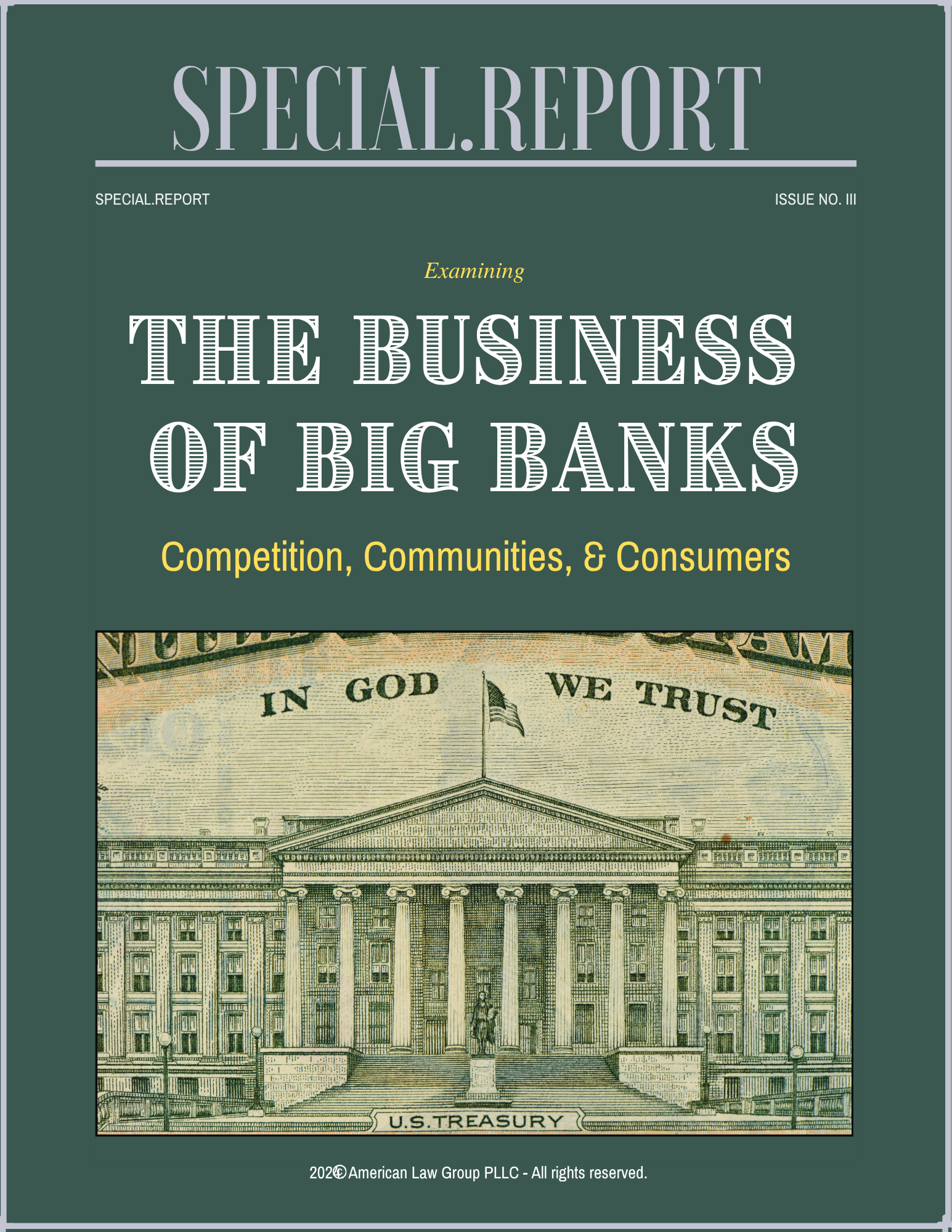
Examining the competitive structure, regulatory environment and systemic implications of America's largest financial institutions.
Special.Report Editors
September 2026
EXECUTIVE SUMMARY
America's largest banks occupy a position of extraordinary influence in the national economy — and extraordinary scrutiny from regulators, legislators and the public. This report examines the competitive dynamics, regulatory pressures and systemic risks that define the current landscape of big banking, and considers what the next phase of oversight and competition may look like.
THE REPORT
The concentration of financial assets among a handful of institutions has been a defining feature of American banking since the consolidations of the 1990s and the crisis-era mergers of 2008. Today, the four largest U.S. banks — JPMorgan Chase, Bank of America, Wells Fargo and Citigroup — hold assets exceeding $10 trillion, representing roughly 40 percent of all U.S. banking assets.
This concentration raises persistent questions about competition, systemic risk and the relationship between private financial power and public regulatory authority. It also creates a set of strategic and reputational challenges that no other industry faces with quite the same intensity.
The regulatory environment governing large banks has evolved substantially since Dodd-Frank, with stress testing, capital requirements and resolution planning becoming permanent features of the supervisory landscape. Yet the fundamental tension between financial stability and competitive dynamism remains unresolved.
This report examines the principal dimensions of that tension — the competitive structure of large-bank markets, the evolving regulatory framework, the systemic risk considerations that animate policy, and the strategic questions facing institutions, investors and policymakers in the years ahead.